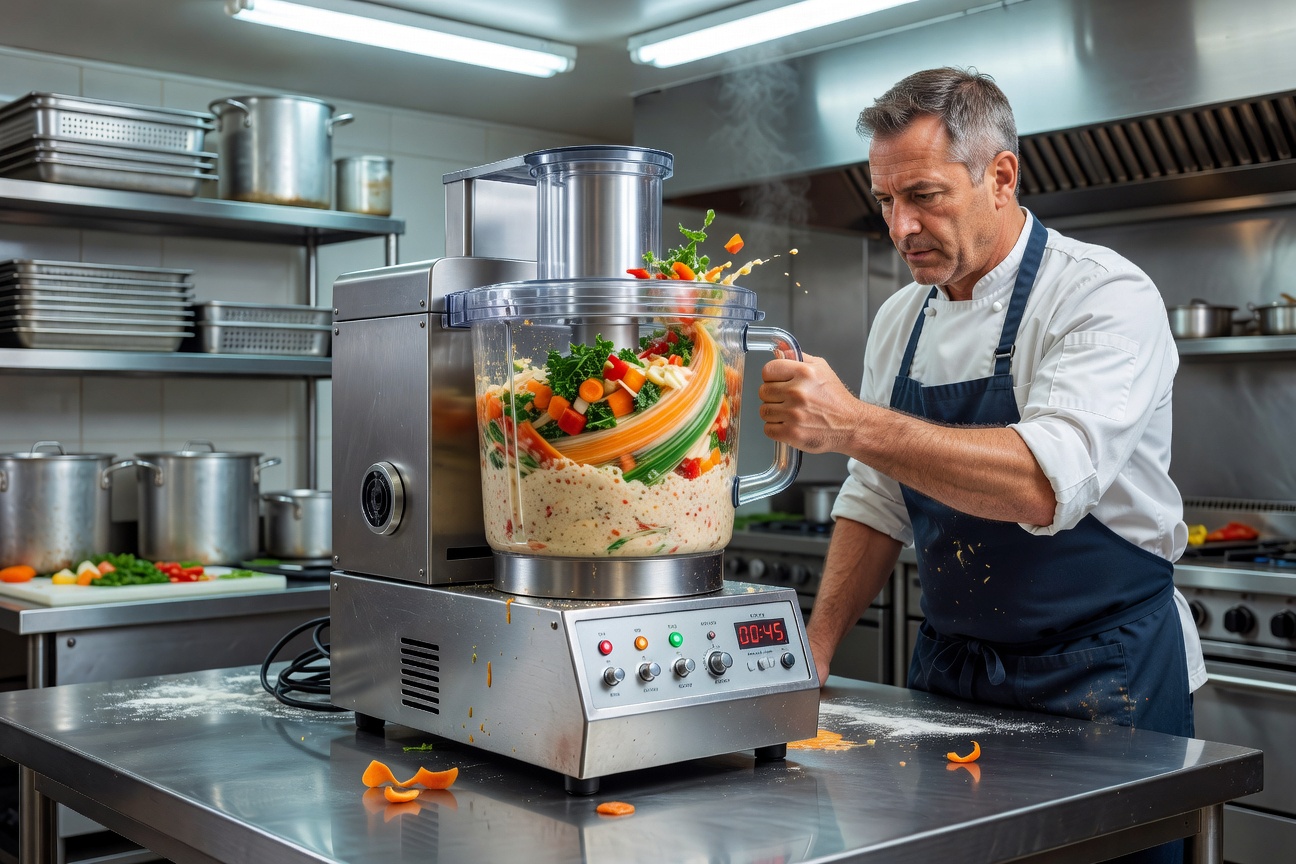
Industrial-grade processes inspire the KPS Method — systematic, precise, and designed for consistent, repeatable results at any scale.
The KPS Method brings together zone planning, workflow sequencing, and smart storage into a unified, repeatable system for exceptional home cooking.
Industrial-grade processes inspire the KPS Method — systematic, precise, and designed for consistent, repeatable results at any scale.
Three phases. One complete system. The KPS Method guides you from planning through execution with clarity and confidence at every step.
Great cooking begins before you enter the kitchen. The planning phase establishes your menu, identifies required ingredients, anticipates timing challenges, and creates the prep list that guides everything that follows.
Dedicated prep sessions transform raw ingredients into ready-to-use components. With mise en place complete, the cooking phase becomes a fluid, stress-free act of assembly rather than a race against time.
With planning and preparation complete, execution is pure cooking. Follow the sequence, leverage parallel processes, trust your preparation, and give your full attention to the craft of transforming ingredients into exceptional meals.
These six supporting systems make the KPS Method operational and sustainable over time.
A running digital or paper inventory of pantry staples, refrigerated items, and frozen goods eliminates duplicate purchases and ensures nothing is forgotten. Review weekly, update continuously.
Curate a personal recipe library organized by category, prep time, and cooking method. Tag recipes by the ingredients they use to quickly identify what you can make with what's on hand.
Designate specific days and time windows for prep sessions. Consistency builds habit. Even a 30-minute midweek mini-prep can eliminate the Sunday pressure and keep the system running smoothly.
Regularly sharpen knives, descale appliances, and deep-clean storage containers. Well-maintained tools perform predictably and safely. Build maintenance into monthly routines, not reactive repairs.
Track food waste and identify patterns. Use vegetable scraps for stock, wilting herbs for compound butters, and leftover grains for grain bowls. Waste reduction is an efficiency indicator.
After each significant cooking session, take two minutes to note what worked, what didn't, and what you'd do differently. Small, iterative improvements create compounding efficiency gains over time.
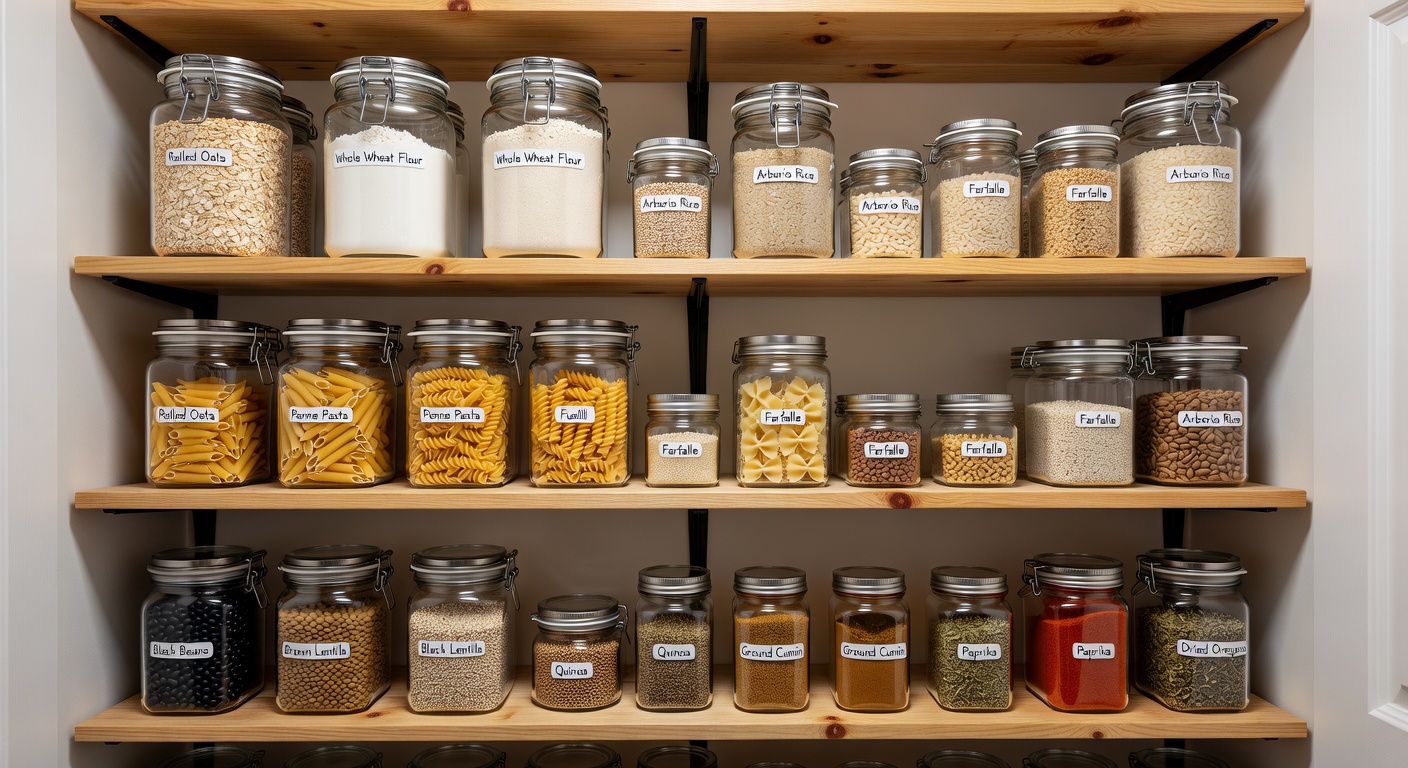
Uniform, labeled storage containers are the visual foundation of the KPS Method. When everything looks organized, your brain experiences less friction when navigating the kitchen — you know at a glance what you have and what you need.
Transfer bulk dry goods to clear, airtight containers the moment they enter the kitchen. Glass is preferred — it doesn't absorb odors, shows contents clearly, and lasts indefinitely.
Group by category: grains, legumes, flours, sweeteners, baking essentials, canned goods. Within each category, organize by frequency of use — front to back.
Download Storage GuideThe KPS Method delivers measurable, tangible improvements to every aspect of the cooking experience.
When the system handles the logistics, your mind is free to engage with the creative and sensory aspects of cooking — flavor development, texture, presentation.
Users of the KPS Method report saving 3–5 hours per week on food preparation. Over a year, that's 150–250 hours returned to other priorities.
Planned purchasing and prepped storage dramatically reduce spoilage. Knowing exactly what you have and when it was prepped keeps everything used before it turns.
When you're not rushed, ingredients are treated with more care. Proper resting times, precise seasoning, and attentive cooking all become possible when prep eliminates time pressure.