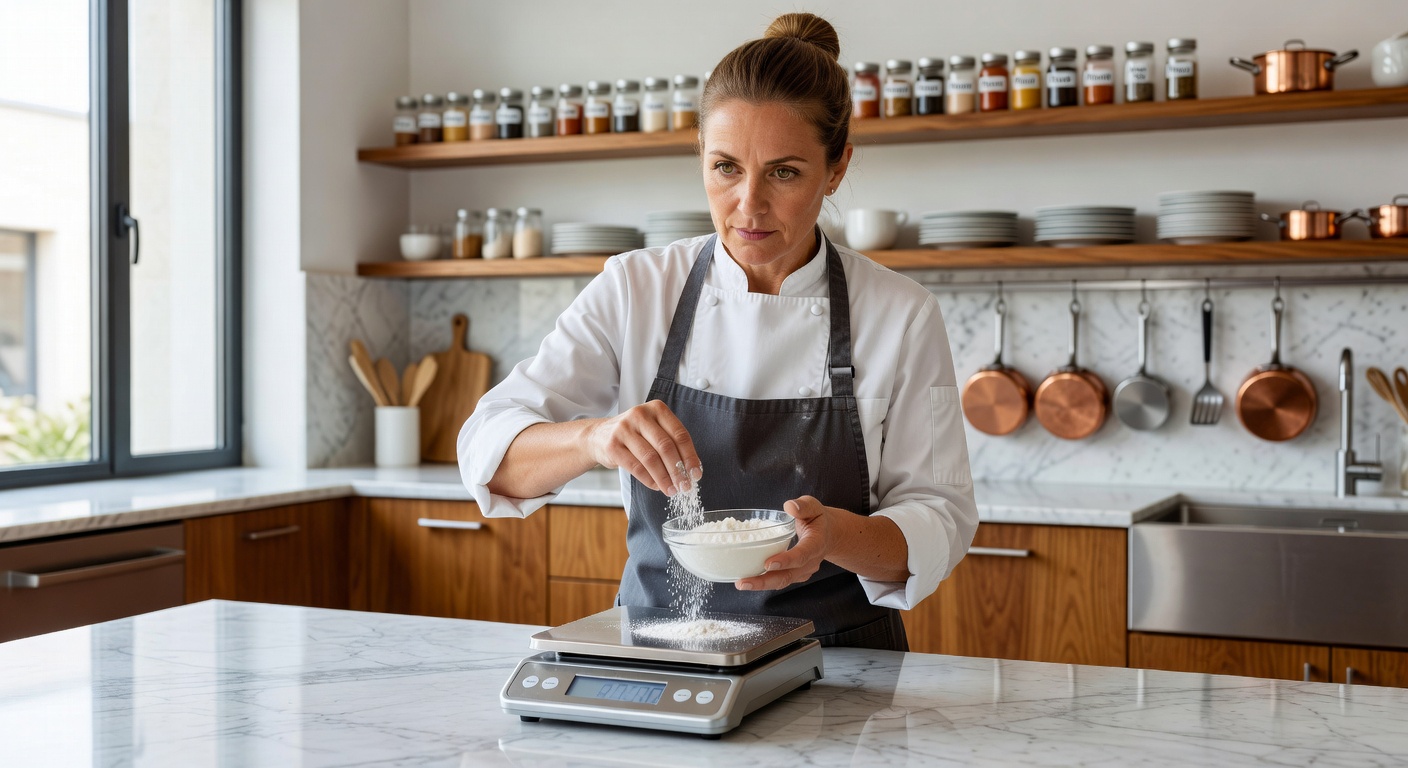
Precise measurement and pre-portioning ingredients before cooking begins eliminates guesswork and dramatically reduces active cook time.
Reclaim hours in your week with smart preparation strategies that turn cooking from a chore into a streamlined, enjoyable process.
Precise measurement and pre-portioning ingredients before cooking begins eliminates guesswork and dramatically reduces active cook time.
Time optimization in the kitchen isn't about rushing — it's about eliminating unnecessary repetition, leveraging idle time, and making decisions ahead of the moment when they need to be executed. The four principles below, applied consistently, can reduce daily cooking time by 40% or more.
Prepare large quantities of foundational ingredients on a single day — grains, proteins, roasted vegetables, sauces — to be assembled into meals throughout the week.
Prepare and measure all ingredients before cooking begins. Cooking is then pure execution — no pausing, no searching, no measuring under pressure.
Identify the longest-cooking element and start it first. While it cooks, prepare the next element. Time your workflow so everything completes simultaneously.
Store prepped items for rapid retrieval. When components are ready and labeled, meal assembly becomes a 10-minute activity rather than a 45-minute ordeal.
A structured two-hour prep session on Sunday can supply the building blocks for a full week of effortless meals.
Review the week's menu, check the pantry, make a shopping list and gather all ingredients
Put rice, quinoa, or farro on the stove — these take longest and need least attention
Wash all produce, then cut into portions for each planned meal this week
Load trays into the oven while prepped veg roasts for 30–40 minutes
Marinate, portion, and store proteins for each day's use while oven is occupied
Prepare 2–3 versatile sauces or dressings that work across multiple meals
Transfer everything to labeled containers, organized by day or meal type
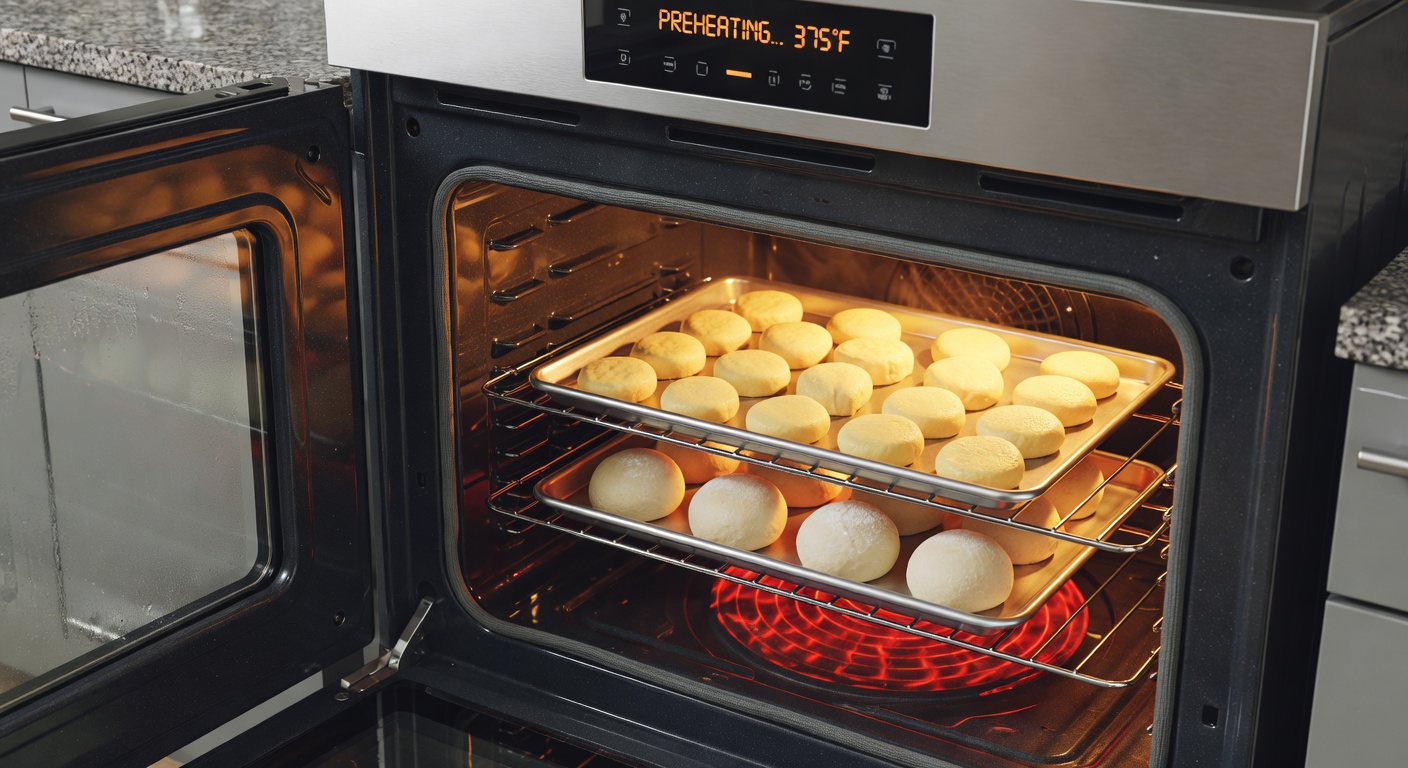
The oven takes 15–20 minutes to reach temperature — time that's wasted if you start preheating only when you're ready to cook. Develop the habit of turning the oven on as the first action in any session that involves baking or roasting.
Similarly, boiling water for pasta, blanching, or stock can be started immediately. Every idle minute is a missed opportunity to advance the meal.
Rule of thumb: Start any process that takes longer than 10 minutes before doing any manual prep work. Let time do the work while your hands are busy.
Small habits that compound into significant time savings over weeks and months.